With the launch of Hera AI, localization teams are able to automate post-editing, LQA, and QE directly in bilingual files. This supports cost efficiency while controlling quality and consistency. Throughout 2025, Hera AI proved its value across diverse production scenarios, helping teams focus expertise where it matters most.
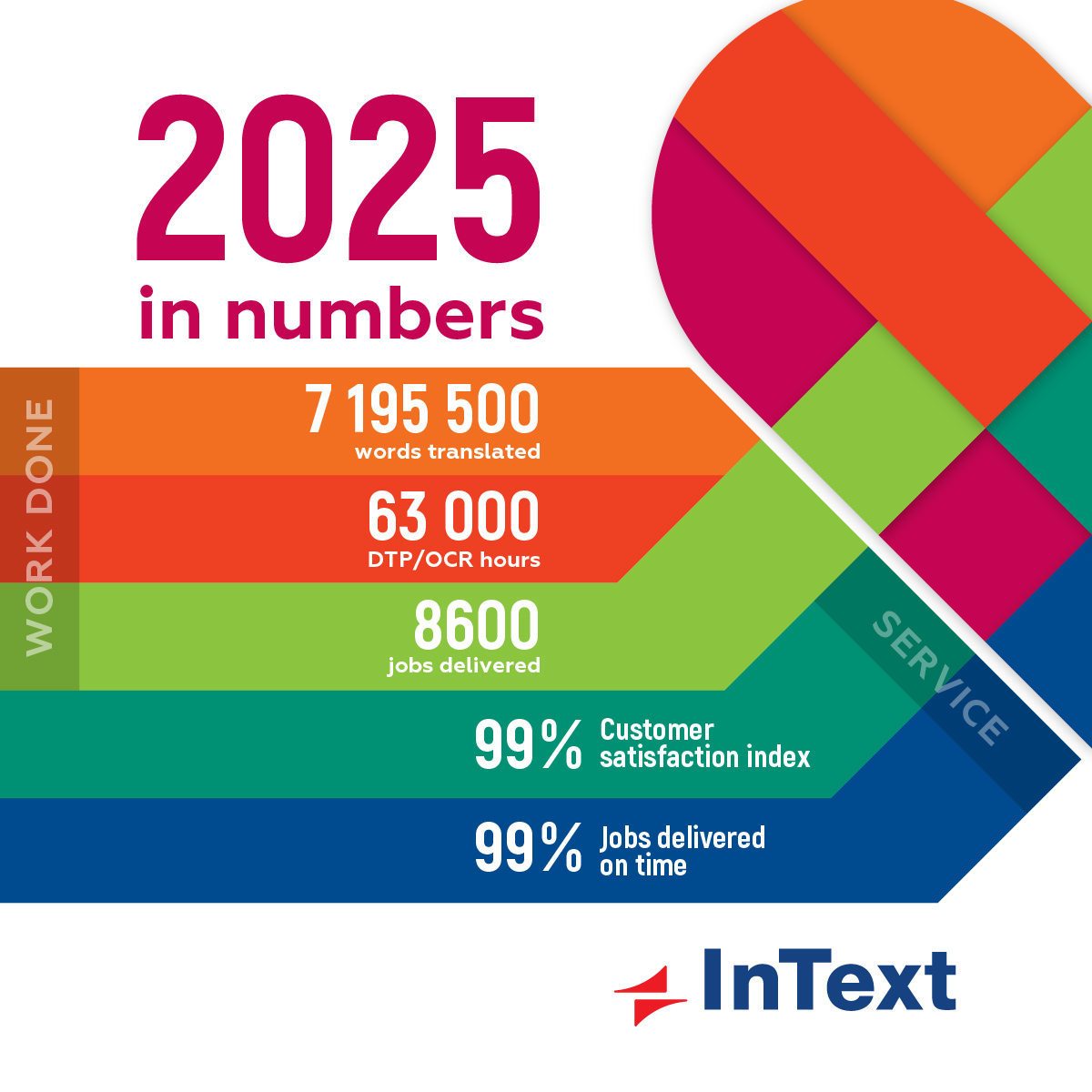
Demand for desktop publishing continued to grow in 2025. Clients relied on expanded DTP capabilities and automated workflows to support a wide range of projects, from document preparation to post-translation layout adaptation across multiple tools, languages, and formats. These improvements ensured smoother workflows and more reliable delivery for complex multilingual files.
As AI adoption accelerated, AI-powered workflows became more adaptive. In 2025, clients could choose different levels of automation and human involvement — from AI-assisted post-editing with expert review to full human post-editing by one or two linguists — depending on project needs. This approach helped teams balance timelines, budgets, and quality requirements across diverse types of projects.
E-learning projects continued to grow in scale and complexity in 2025, involving extensive multimedia localization across platforms. We expanded our toolkit and deepened our expertise to handle these multifaceted projects, ensuring e-learning materials are perfectly adapted for diverse audiences across languages and cultures.
It was a pleasure meeting clients and industry colleagues at tekom fair 2025. We’d love to see you at one of the industry events we’ll be attending in 2026!